Every home in Jefferson County sits on the same soil it sat on last July. What changes between seasons isn't the ground beneath a Lakewood house, it's the house itself, sealed against the cold, running its furnace, and quietly pulling more soil gas up through the foundation than it did in August. Winter radon readings in Lakewood typically run 30 to 50 percent higher than summer readings on the same home, not because anything underground shifted, but because winter heating creates negative pressure indoors that draws radon in faster. That single fact reshapes how a seller should think about timing a listing, and how a buyer should read a fall or winter inspection report.
Lakewood sits in Jefferson County, which the EPA classifies as Zone 1, its highest radon-potential category. Across 30,229 radon tests submitted to the state between 2005 and 2025, 50.3 percent of Jefferson County homes came back at or above the EPA's action level of 4.0 picocuries per liter, a rate higher than the statewide average and higher than Denver's. That's not because Lakewood's ground is uniquely dangerous. It's because a lot of Lakewood was built before anyone was building around radon at all.
A city built before the standard existed
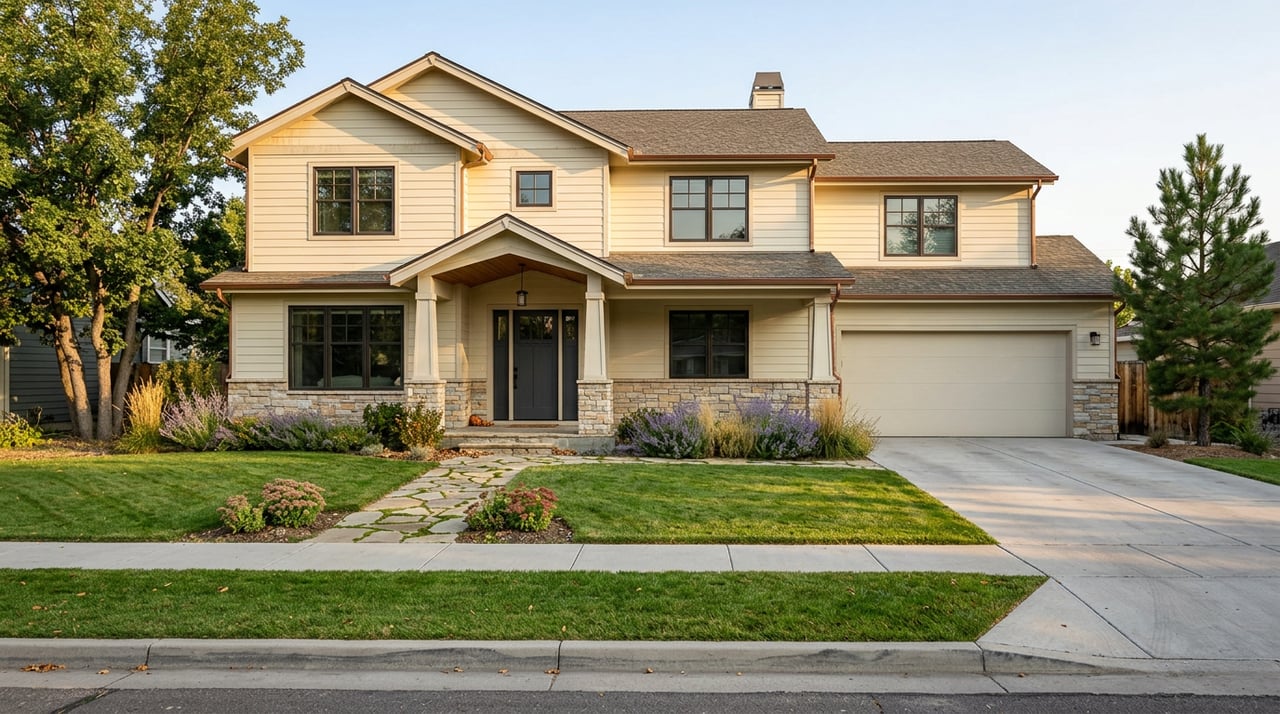
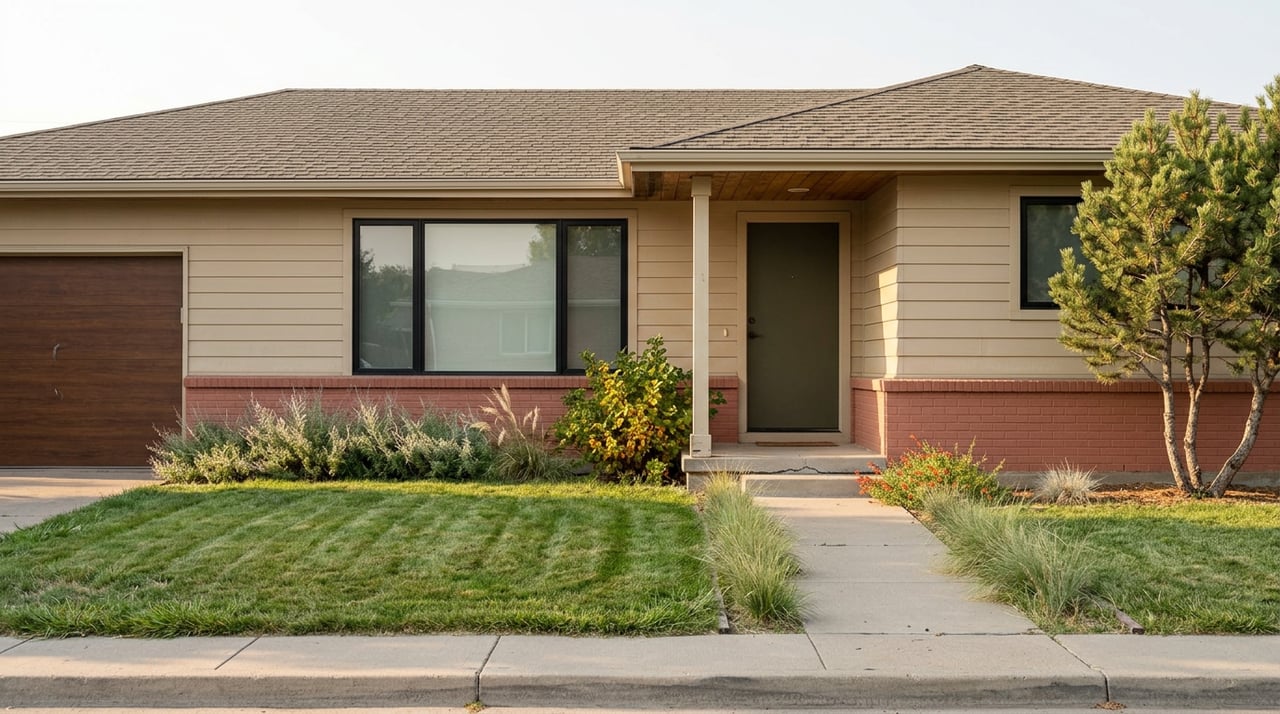
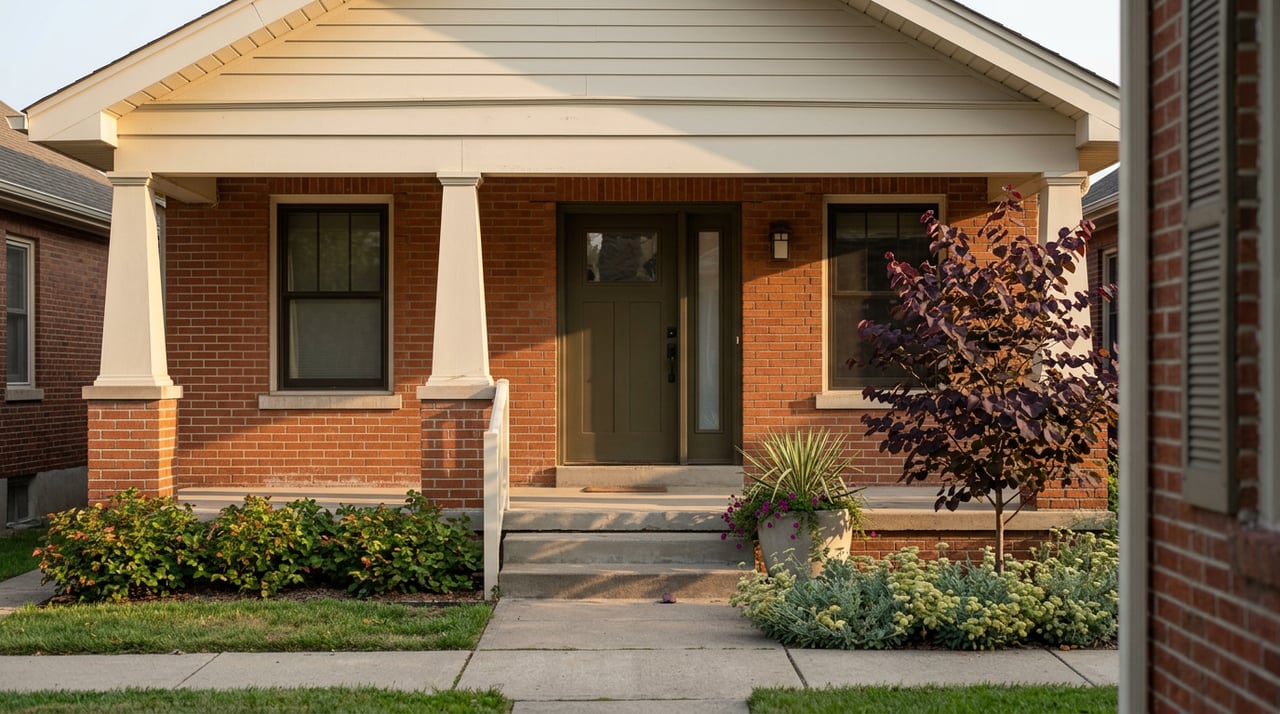
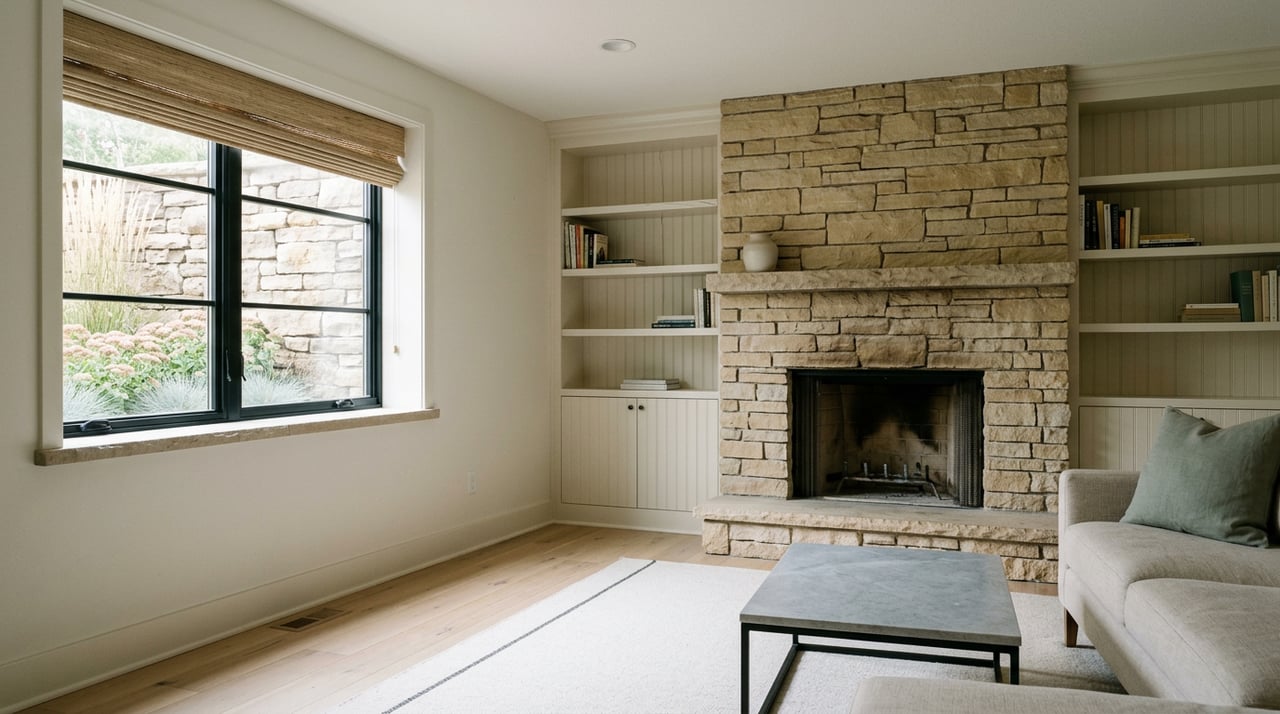
Lakewood incorporated in 1969, but most of its housing went up earlier, during the post-World War II boom of the 1940s through 1960s. That means a large share of the housing stock in neighborhoods like Applewood, Bear Creek, Rooney Valley, and the streets around Belmar predates the radon-resistant construction techniques that became common in Colorado starting in the 1990s. Full basements are the default here, and a basement is exactly where soil gas concentrates before it works its way into the living space above.
None of this means a Lakewood home is unsafe by default. It means testing isn't optional in any meaningful sense, even though Colorado's law doesn't technically require it.
The law only makes you disclose what you already know
Colorado's SB23-206, effective since August 2023, requires every residential sales contract to carry a bold disclosure recommending a radon test and requires sellers to hand over any test results and mitigation records they already have. What it does not do is force a seller to test in the first place.
That gap creates a real incentive question for anyone about to list. If you never test, you have nothing on file to disclose, and the contract's bold-faced warning becomes the buyer's problem to act on during their own inspection window. If you test ahead of listing and the number comes back low, you've turned a source of buyer anxiety into a selling point. If it comes back high, you've bought yourself time to mitigate on your own schedule instead of negotiating repairs during a ten-day inspection deadline with a nervous buyer on the other side of the table.
In practice, almost nobody skips the test anyway. Radon testing during the inspection period has become close to routine on Front Range sales, and lenders sometimes require it outright. The seller's real choice isn't whether a test happens. It's whether they're the one who ran it first.
How Jefferson County compares to its neighbors
The 50.3 percent figure for Jefferson County only means something next to the rest of the metro. Here's how the state's own radon test data, covering results submitted between 2005 and 2025, breaks down by county:
| County | Share of tests at or above 4.0 pCi/L |
|---|---|
| Larimer | 54.9% |
| Jefferson (Lakewood) | 50.3% |
| Boulder | approximately 50% |
| Adams | 46.8% |
| Denver | approximately 44% |
A buyer comparing a Lakewood listing against a comparable one in Denver proper isn't just comparing price per square foot. They're comparing two different odds that a radon line item shows up on the inspection report at all. That's a real variable in what the same dollar buys, and it rarely makes it into a listing description.
What a test actually looks like, and why the method matters
Colorado's approved testing protocols matter because a sloppy test produces a number nobody should trust. The state recognizes a few standard methods: a continuous radon monitor placed in the lowest livable level for at least 48 hours, or two passive charcoal devices placed four inches apart for the same window, with the average of the two used as the result. Tests need to run under closed-house conditions, which is one more reason winter numbers tend to run hotter. A test kit left out during a mild fall week with windows cracked open won't reflect the same conditions as a test run in the dead of January with the furnace on and every window shut.
If your test comes back at or above 4.0 pCi/L, mitigation is the standard next step, and it's a faster fix than most buyers expect. A licensed contractor typically installs a sub-slab depressurization system, a fan and a suction point routed through PVC pipe to vent gas above the roofline, in a single day. The system needs a follow-up retest 48 to 96 hours later under closed-house conditions to confirm the fix worked.
What it costs, and who's licensed to do it
Across the Denver metro in 2026, a standard mitigation system for a home with a basement typically runs $1,200 to $2,500 installed, with several local contractors pricing a straightforward basement job right around $2,000. Crawlspace installs cost more, often $2,000 to $5,000, because they usually require a sealed vapor barrier in addition to the suction system. Colorado requires anyone doing this work professionally to carry licensure through the Department of Regulatory Agencies and certification through a recognized national radon program, so this isn't a job to hand to a general handyman even if the fix looks simple from the outside.
For a seller weighing whether to mitigate before listing or leave it as a negotiating item, the math is usually straightforward. A pre-listing system costs a known, bounded amount on your timeline. A post-inspection negotiation costs an unknown amount, often at a markup, on the buyer's timeline, with a closing date at risk if the work can't be scheduled fast enough.
What this changes before you list or write an offer
If you're selling a Lakewood home with an unfinished or partially finished basement, especially one built before the 1990s, test now rather than waiting for a buyer's inspector to do it for you. A result in hand before your first showing lets you set expectations in the listing rather than reacting to them during a ten-day contingency period.
If you're buying, don't assume a clean summer test from a prior owner still applies to a fall or winter closing. Ask when the last test ran and under what conditions, and if the answer is more than two years old or came from a warm-weather month, budget for your own test as part of your inspection period rather than treating an old number as settled fact.
Either way, radon in Lakewood isn't a red flag on a report. It's a predictable, budgetable line item, closer in spirit to a furnace inspection than to a foundation crack. Treating it that way, on both sides of the contract, is what keeps a good radon reading from turning into a good deal killed by surprise.
A few questions worth asking directly
Does Colorado require a radon test before selling a home? No. State law requires disclosure of any test results and mitigation history a seller already has, along with a mandatory warning statement in the contract, but it doesn't require the test itself. Most buyers order one anyway during their inspection period.
Can a buyer walk away over a high radon reading? That depends on how the inspection objection is written into the contract. Colorado's standard contract language typically ties radon to the general inspection objection deadline, so a buyer can request mitigation, a price adjustment, or termination within that window, the same as with any other inspection item.
Does installing a radon mitigation system require a permit in Lakewood? Colorado doesn't require a state permit for residential radon mitigation, though a licensed installer will typically handle any local electrical work correctly as part of the job. Confirm current requirements with the City of Lakewood before work begins if you want it in writing.
If you're getting a Lakewood home ready to list, or you're comparing what a Lakewood address actually costs to own against a home a few miles away, Petrone Properties can walk through your specific street, your specific basement, and what a realistic timeline looks like before you sign anything. Request a free home valuation to start the conversation.